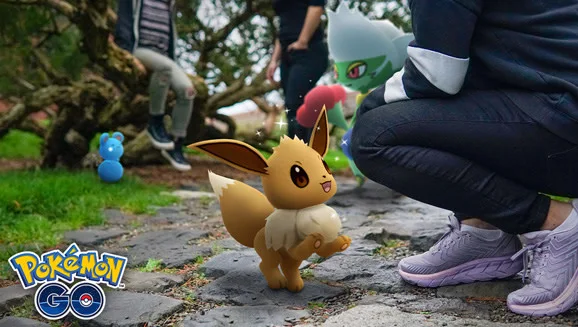
Give your Buddy a clear purpose
A good Buddy routine begins with a reason to keep the same Pokémon beside you. You might want Candy for an evolution, progress toward Best Buddy, or simply more time with a favourite. Choose the goal first and the daily actions become easier to prioritise. A routine that fits a normal walk is more useful than an ambitious checklist you abandon after two days.
Check the Buddy profile for its current Candy distance, affection progress and any evolution requirement you are working toward. A species-specific adventure task and your general Buddy Level are different things. For example, completing a visible walking requirement does not mean every other evolution condition has also been met. Read the evolution panel before assuming that more hearts will solve a blocked evolution.
Separate hearts, mood and Candy
Affection hearts build your relationship and unlock Buddy Levels. Mood reflects recent interactions and can fall over time. Candy uses the walking progress shown for that Pokémon. These systems interact, but they are not interchangeable. A successful snapshot can help your relationship without instantly finishing the distance needed for Candy, and a cheerful animation does not mean every activity has been credited.
Buddy Levels already earned do not decay when you take a break. That makes consistency easier to manage: missing a busy day does not erase your long-term relationship. Use the activity list as your record rather than trying to remember every tap. Grey and completed hearts show which opportunities remain, and the daily counter resets at midnight in your local time.
Use a short routine before leaving
Open your Buddy page while you are still somewhere comfortable to stop. Feed your Buddy until its hunger meter is full and it appears on the map. Then play with it and take a snapshot through the Buddy interaction screen. Check that the corresponding hearts have appeared. This small confirmation prevents an entire walk from becoming a guessing game about whether your first actions registered.
You do not need to repeat an activity indefinitely after its available hearts are filled. Instead, glance at the remaining categories and decide which match the session ahead. Keep some Berries for later if you expect a long outing. Feeding at the start of a journey is a practical habit, but the hunger meter can decrease while you continue playing.
- Check that the intended Pokémon is your active Buddy.
- Feed, play and take a Buddy snapshot.
- Confirm the hearts, then start your planned walk.
Add activities to a walk you already enjoy
Walking-together hearts require your Buddy to be accompanying you on the map. Keep an eye on its hunger during longer sessions, and review the walking progress after a natural stopping point. If you use Adventure Sync, check the game setting and the phone’s relevant permissions when distance does not appear as expected. Do not confuse a recording problem with a need to spend more items.
Other categories can fit your route without turning it into a chore. A new PokéStop or Gym can provide a new-place activity when your Buddy is with you. An appropriate Route can add another shared activity. For a battle activity, include your Buddy in an eligible battle while it is on the map, complete the encounter and verify the result on its profile. Pick encounters suited to the Pokémon rather than sacrificing it in a difficult fight.
Treat Poffins as optional session tools
A Poffin fills the hunger meter and makes your Buddy Excited. It also completes the available treat hearts. Excited mood opens additional heart opportunities and reduces the Candy walking requirement while active; Bonus hearts are not doubled by this mood. The extra hearts still depend on doing the relevant activities, so using the item is not the same as completing the day.
Save a Poffin for a session with enough time to walk and interact. Using one just before closing the game may fit a specific goal, but it is a weak default habit. Ordinary interactions can also improve mood, and a steady free routine remains useful. Compare the benefit to your actual plan rather than feeling that a paid item is required for meaningful progress.
Know what the relationship unlocks
As the relationship develops, your Buddy can gain perks such as Catch Assist, presents and souvenirs. Those extras arrive through the Buddy system; they are not a reason to expect a fixed daily reward. Check for an available present when you visit the interaction screen, but do not treat every Gift brought from nearby PokéStops as an affection-heart bonus.
Best Buddy adds a ribbon and a CP boost while that Pokémon is your active Buddy. The boost is not permanently applied to every Best Buddy in storage. Before using the Pokémon in a CP-limited battle format, check its displayed CP with the active boost. Choose your battle party from what the game allows rather than relying on a value you remember from yesterday.
Finish with a review you can repeat
At the end of a session, check three things: remaining Candy distance, completed activity categories and your next small relationship goal. If a heart is missing, identify the category and its conditions before repeating everything. Taking this approach makes troubleshooting quick and keeps an enjoyable companion feature from becoming a lengthy daily maintenance task.
For most players, one primary Buddy is a comfortable starting point. If you rotate partners, keep a simple list of why each one matters and avoid switching in the middle of a carefully planned activity. Revisit the routine when your goal changes. The best system is one that leaves you more time to explore, catch Pokémon and enjoy the game.
Sources & further reading
Game details can change. Check the linked official sources and the current in-game information. Reviewed: Oct 4, 2026.