
Choose the right first encounter
A raid happens when a powerful boss takes over a Gym. You and other Trainers battle it, and a successful group earns rewards plus a chance to catch the Pokémon. The raid’s difficulty matters: your first experience should help you learn the process rather than require a team you do not yet have. A lower-tier boss with a prepared friend is a comfortable starting option.
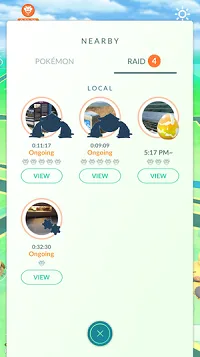
Look at the Gym or the Nearby menu to identify the boss, difficulty and remaining time. Leave enough time to organize, battle and handle an unexpected retry. Special raid formats can add rules, so read the event details instead of assuming that every Gym encounter works identically. Max Battles at Power Spots are a separate system.
Understand which pass you are using
Check the entry screen: raid type and location both affect the required resource. This table covers ordinary raids. Mega raids may use Link Charges; remote Super Mega Raids require Link Charges plus a Remote Raid Pass. Read the current displayed cost before buying or committing resources, and confirm that your group is ready.
An invitation is not a guarantee that a lobby has space or that the raid is still available. If you are meeting friends, agree which Gym and lobby you are joining. Keep enough time to resolve an incorrect lobby before the battle starts.
| Pass | Typical use |
|---|---|
| Raid Pass | An in-person raid; available through Gym Photo Discs under the current daily rules. |
| Premium Battle Pass | Another in-person raid; also has a separate use for premium GO Battle League rewards. |
| Remote Raid Pass | An eligible raid joined remotely through the map, Nearby menu or an invitation. |
Build for the boss, not just your highest CP
Ordinary raid parties contain up to six Pokémon. Start with healthy options, then check the boss’s types and the types of your Pokémon’s actual attacks. A Pokémon’s appearance or species type does not guarantee that it knows the attack you need. Super-effective attacks exploit a weakness; resisted attacks do less. Dual types can change the matchup, so consider both of the boss’s types.
For a simple example, Water-type attacks are useful against a purely Fire-type target. That does not mean every Water Pokémon is equally effective or that the same choice fits a dual-type boss. Treat the recommended party as a starting point to inspect. Save a named battle party once you have suitable choices, and bring Potions and Revives for recovery.
Use the lobby to check the essentials
Before the countdown finishes, confirm the boss, your group and your selected team. Heal or replace fainted Pokémon and coordinate with your friends if the group is smaller than expected. There is no universal safe player count for every raid: boss difficulty, attacks, available teams and current bonuses all affect the outcome. Avoid promising a win based only on the number beside the lobby.
If you use a private group, make sure everyone has the correct group code. If inviting friends, allow time for the invitation to arrive and for them to select a team. Use any ready control only when you are genuinely prepared and your group understands the plan. A calm lobby makes the actual battle easier to follow.
Learn the three actions that carry the fight
Tap to use Fast Attacks and build energy. Activate the Charged Attack button when it is available. Swipe left or right to dodge incoming attacks. These controls are straightforward, but attention matters: tapping without ever using your Charged Attack leaves a useful part of your team’s damage unused. Watch your Pokémon’s health and the boss’s attack cues as you settle into a rhythm.
If your team faints, heal or choose replacements and rejoin while the raid remains available. Keep the interruption short without selecting unusable Pokémon. After a loss, official guidance allows retries of that same active raid without another pass. Reassess your team or group before repeating the attempt.
Treat the catch as a second challenge
Winning the battle gives you a reward encounter, not an automatic catch. Ordinary raid reward encounters use the Premier Balls awarded after the battle. You cannot replace them with your own Great or Ultra Balls. When your supply runs out, the encounter can end without a catch. Take a breath before using the first one.
Use an appropriate berry, watch the boss’s movement and aim for a throw you can land consistently. Curveballs and accurate Great or Excellent throws improve your chances. Wait for a sensible opening instead of throwing into an attack. If the Pokémon breaks free, check your berry and repeat patiently. A difficult escape does not prove that your earlier battle decisions were wrong.
Finish with one useful lesson
Review what actually held you back: finding the group, selecting attacks, staying in the battle or landing throws. Improve that one part before the next raid. Heal your team if you plan to continue, inspect any new Pokémon and avoid spending resources immediately without a purpose. A caught boss may be a collection goal, a future teammate or simply a memorable first raid.
Keep event-specific expectations separate from the basics. Boss rotations, extra rewards and special catch conditions belong to the current announcement. This guide provides the repeatable workflow, while the game and official event page supply the details for the raid you are about to join.
Sources & further reading
- What are Raid Battles?
- Types of items and their effects
- Type effectiveness in battle
- Inviting friends to Raid Battles
- Catching a Raid Boss
- Creating battle parties
- Official Link Charges and Mega Raid entry guide
Game details can change. Check the linked official sources and the current in-game information. Reviewed: Oct 4, 2026.